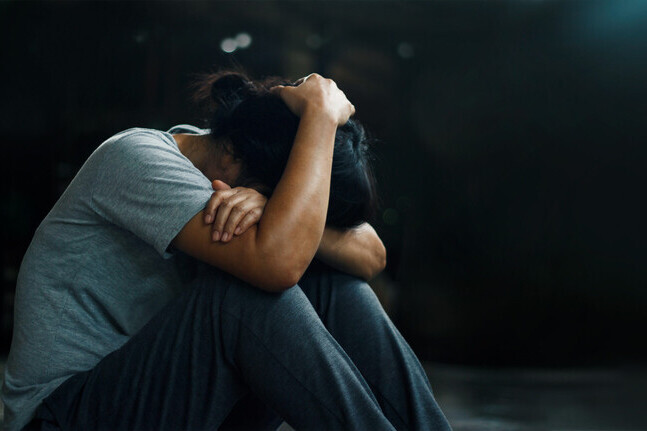
Trauma can result from a wide range of experiences. These may include single events — such as an accident, assault, bereavement, or medical emergency — or repeated and prolonged experiences, such as childhood abuse or neglect, domestic violence, or living through conflict or persecution. Trauma can also arise from witnessing something distressing happening to others, or from the cumulative effect of many smaller experiences over time.
Whatever the source, trauma is a normal human response to abnormal or overwhelming circumstances. It is not a sign of weakness, and it is not your fault.
It can be helpful to understand that trauma takes different forms:
- Single-incident trauma (Type I) — a discrete, unexpected event such as a road traffic accident, assault, natural disaster, or sudden bereavement
- Complex or developmental trauma (Type II) — repeated, prolonged, or chronic experiences, often beginning in childhood, such as abuse, neglect, or growing up in an unsafe or unpredictable environment
- Secondary or vicarious trauma — trauma that develops through close exposure to others’ traumatic experiences, sometimes affecting professionals such as healthcare workers, emergency responders, or therapists
Trauma can affect people in many different ways. You may notice some or all of the following:
- Re-experiencing: flashbacks, nightmares, intrusive memories, or sudden intense emotions that feel as though the experience is happening again
- Avoidance: staying away from people, places, or situations that act as reminders; trying not to think or talk about what happened
- Hyperarousal: feeling constantly on edge, easily startled, irritable, or unable to relax or sleep
- Negative changes in mood and thinking: feelings of shame, guilt, or self-blame; a changed sense of who you are; emotional numbness or disconnection from others
- Dissociation: feeling detached from yourself or your surroundings, or having gaps in memory
- Physical effects: bodily tension, pain, fatigue, or a heightened sensitivity to physical sensations
These responses are your nervous system’s attempt to protect you. They made sense in the context of what you experienced — even if they are now causing significant difficulty.
When trauma responses persist and significantly impair everyday life, this may be diagnosed as post-traumatic stress disorder (PTSD) or, where trauma has been prolonged and complex, as complex PTSD (cPTSD). cPTSD often involves additional difficulties with emotional regulation, identity, and relationships. Both conditions are well-recognised and respond well to trauma-focused therapy.
Trauma-focused therapy works gently and carefully to help you process what happened and reduce its hold on your present life. Effective therapy does not require you to relive your experiences in full, and will always work at a pace that feels safe and manageable for you. Therapy may help you to:
- Understand your trauma responses and why they developed
- Develop stabilisation and grounding skills to manage distress
- Process traumatic memories so they lose their intensity and intrusiveness
- Address feelings of shame, guilt, or self-blame
- Rebuild a sense of safety, identity, and trust
- Reconnect with the people and activities that matter to you
Approaches with strong evidence for trauma include Eye Movement Desensitisation and Reprocessing (EMDR), Trauma-Focused Cognitive Behavioural Therapy (TF-CBT), Compassion Focused Therapy (CFT), and Cognitive Analytic Therapy (CAT). Your therapist will work with you to identify the most appropriate approach for your individual needs.
Trauma therapy always begins with a careful assessment and a focus on establishing safety and stability. No therapist will ask you to revisit distressing material before you feel ready. If you are currently in an unsafe situation, your therapist will prioritise your immediate safety and may work with other services to ensure you receive the right support.
If you are in crisis or feel unsafe right now, please contact your GP, call the Samaritans on 116 123, or go to your nearest emergency department.
Trauma can leave people feeling permanently changed or beyond help. This is an understandable response to overwhelming experience — but it is not the full picture. With the right support, people do recover from trauma. They find ways to make sense of what happened, to reclaim their lives, and sometimes to discover unexpected strengths and a deeper understanding of themselves and others.